Introduction to Slow Travel Lifestyle
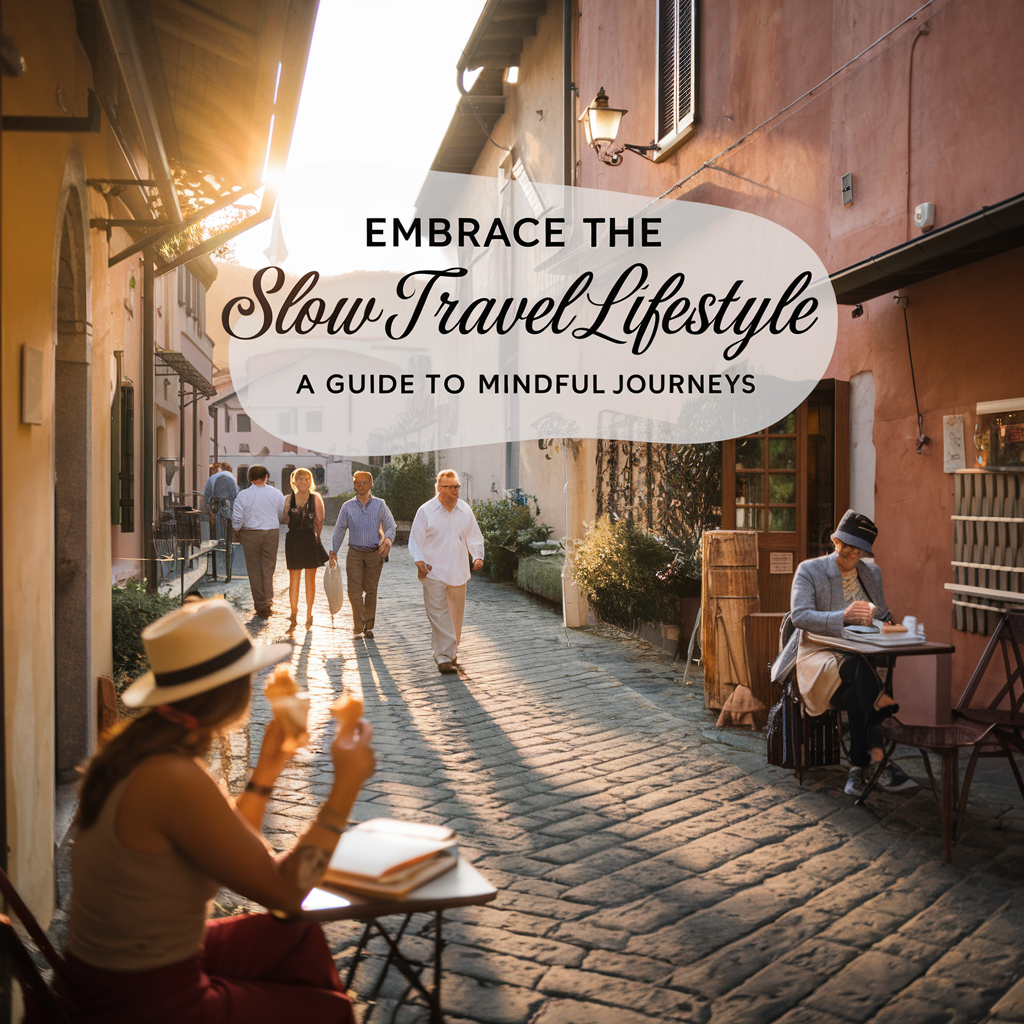
I remember the first time I stumbled upon the slow travel lifestyle. It was during a trip to Italy. I had planned a whirlwind tour, trying to see as much as possible in a short time. But then, something unexpected happened. I missed a train. Instead of rushing to catch the next one, I decided to stay an extra day in a small town I hadn't planned to visit. That day changed everything. I wandered through cobblestone streets, chatted with locals, and savored a gelato while watching the world go by. It was then that the slow travel lifestyle began to allure me. The idea of not just seeing places but truly experiencing them sparked a curiosity in me that I couldn't ignore.
What is the Slow Travel Lifestyle?
The slow travel lifestyle is all about taking your time to immerse yourself in a destination. It's about quality over quantity. Instead of rushing from one tourist spot to another, slow travel encourages you to stay longer in one place, allowing you to connect with the local culture and environment. The core principles of the slow travel lifestyle focus on mindfulness, sustainability, and meaningful experiences. Unlike the fast-paced tourism that often leaves travelers exhausted and overwhelmed, slow travel offers a more relaxed and enriching way to explore the world.
Statistics show that more people are embracing the slow travel lifestyle. A recent study found that travelers who engage in slow travel report higher satisfaction levels and a deeper connection with the places they visit. The benefits of slow travel are becoming more recognized, with many travelers seeking a more meaningful and sustainable way to explore the world.
The Philosophy Behind Slow Travel
Embracing the slow travel lifestyle requires a shift in mindset. It's about being present and mindful, taking the time to appreciate the details that often go unnoticed in the rush of traditional travel. Slow travel encourages deeper connections with the places you visit, allowing you to truly understand and appreciate their uniqueness.
I remember visiting a small village in Spain during one of my slow travel adventures. Instead of rushing through, I spent several days there, getting to know the locals and their way of life. I attended a local festival, learned a few words of the language, and even helped a farmer with his olive harvest. That village became more than just a stop on my itinerary; it became a meaningful part of my journey, thanks to the slow travel lifestyle.
The Benefits of Embracing Slow Travel
The slow travel lifestyle offers numerous benefits for both mental and physical health. By taking the time to relax and immerse yourself in a destination, you can reduce stress and enhance your overall well-being. Slow travel allows you to disconnect from the fast-paced world and reconnect with yourself and your surroundings.
Cultural understanding and personal growth are also significant benefits of the slow travel lifestyle. By spending more time in one place, you have the opportunity to learn about local customs, traditions, and history. This deeper understanding fosters empathy and broadens your perspective.
During a slow travel experience in Thailand, I had the chance to live with a local family for a few weeks. I learned about their daily routines, shared meals with them, and participated in their cultural celebrations. This experience enriched my understanding of Thai culture and left a lasting impact on me, illustrating the transformative power of the slow travel lifestyle.
Embracing the Local Culture
One of the most rewarding aspects of the slow travel lifestyle is the opportunity to immerse yourself in local culture. By spending more time in a destination, you can engage with the community and experience authentic cultural exchanges. Slow travel allows you to go beyond the surface and truly connect with the people and traditions of a place.
To fully embrace the local culture, it's essential to be open and curious. Take the time to learn a few phrases in the local language, try traditional foods, and participate in local events. These small efforts can lead to meaningful connections and unforgettable experiences.
I remember a memorable encounter with a local artisan in Morocco. I spent an afternoon in his workshop, learning about his craft and listening to his stories. This interaction not only enriched my understanding of Moroccan culture but also influenced my perspective on the importance of preserving traditional crafts. The slow travel lifestyle allows for these meaningful encounters, making each journey unique and enriching.
In conclusion, the slow travel lifestyle offers a refreshing alternative to the fast-paced tourism that often leaves travelers feeling disconnected and exhausted. By embracing the principles of slow travel, you can experience a more meaningful and enriching way to explore the world. Whether it's through deeper cultural understanding, personal growth, or simply taking the time to savor each moment, the slow travel lifestyle has the power to transform your travel experiences and leave a lasting impact on your life.

Planning Your Slow Travel Journey
When you start planning a slow travel journey, it's all about taking it easy. You don't need to rush. First, think about where you want to go. Pick a place that really interests you. Maybe it's a small town or a quiet village. Once you have a destination in mind, plan your itinerary. But remember, keep it flexible. Leave room for surprises and spontaneous adventures. You never know what you might discover when you're not in a hurry.
It's also important to balance planning with being open to new experiences. Sometimes, the best moments happen when you least expect them. So, while it's good to have a plan, don't be afraid to change it if something exciting comes up. Slow travel is all about enjoying the journey, not just the destination.
Sustainable Practices in Slow Travel
Sustainability is a big part of the slow travel lifestyle. When you travel slowly, you have more time to think about your impact on the environment. You can make choices that are better for the planet. For example, you can use public transportation instead of renting a car. Or you can stay in eco-friendly accommodations.
Reducing your carbon footprint is important, too. You can do this by traveling shorter distances or staying in one place for a longer time. This way, you use less energy and produce less waste. Being mindful of sustainability can make your travel experiences more meaningful. It feels good to know you're doing your part to protect the planet.
For more tips on sustainable travel, check out Sustainable Travel International. They have lots of great resources to help you travel more responsibly.
Budgeting for the Slow Travel Lifestyle
Budgeting is key when it comes to slow travel. Since you'll be staying in one place longer, you need to plan your finances carefully. Start by setting a budget for your trip. Think about how much you can spend each day. This will help you avoid overspending.
One of the benefits of slow travel is that it can be more affordable. When you stay in one place longer, you can save money on transportation. You can also find cheaper accommodations, like renting an apartment or staying in a guesthouse. Cooking your own meals can save you money, too.
I like to keep track of my expenses using a simple notebook. I write down everything I spend, so I know where my money is going. This helps me stay on budget and make sure I'm not spending too much.
The Role of Technology in Slow Travel
Technology can be a great tool for slow travelers. It helps you stay connected and find resources while you're on the road. There are lots of apps and websites that can make your slow travel experience better.
For example, you can use apps to find local events or attractions. You can also use them to learn about the history and culture of the place you're visiting. Technology can also help you stay organized. You can use apps to keep track of your itinerary or budget.
During one of my slow travel adventures, I used an app to find a local cooking class. It was a great way to learn about the local cuisine and meet new people. Technology made it easy to find and book the class, and it ended up being one of the highlights of my trip.
Overcoming Challenges in Slow Travel
Slow travel isn't always easy. There can be challenges along the way. But with a little patience and creativity, you can overcome them. One common challenge is dealing with language barriers. It can be hard to communicate when you don't speak the local language. But don't worry, a smile and a few basic phrases can go a long way.
Another challenge is staying connected with friends and family back home. It can be tough to be away for a long time. But technology can help with this, too. You can use video calls or social media to stay in touch.
I've faced my share of challenges while slow traveling. Once, I got lost in a foreign city. I didn't know the language, and I didn't have a map. But I asked for help, and a kind local showed me the way. It was a little scary at first, but it ended up being a great adventure.
Conclusion: The Future of Slow Travel
As I reflect on my journey with the slow travel lifestyle, I realize how much it has changed me. It's taught me to be more patient and open-minded. I've learned to appreciate the little things and to savor each moment. Slow travel has transformed my life in ways I never expected.
Looking to the future, I believe slow travel will continue to grow in popularity. More people are seeking meaningful and sustainable ways to explore the world. The slow travel lifestyle offers a refreshing alternative to the fast-paced tourism that often leaves travelers feeling disconnected and exhausted.
If you're interested in embracing the slow travel lifestyle, my advice is simple: take your time. Don't rush. Be open to new experiences and let the journey unfold naturally. You'll be amazed at the connections you make and the memories you create.
In the end, slow travel is about more than just seeing new places. It's about connecting with the world and with yourself. It's about finding joy in the journey and discovering the beauty in every moment. So, take a deep breath, slow down, and enjoy the ride.